Port Disruptions for commercial shipping
See the disruption weeks before it reaches your port call.
Port Disruptions reads every port notice, canal advisory and weather warning against your schedule. It turns each one into a voyage plan you can approve, with the bookings, forms and prices already in place.
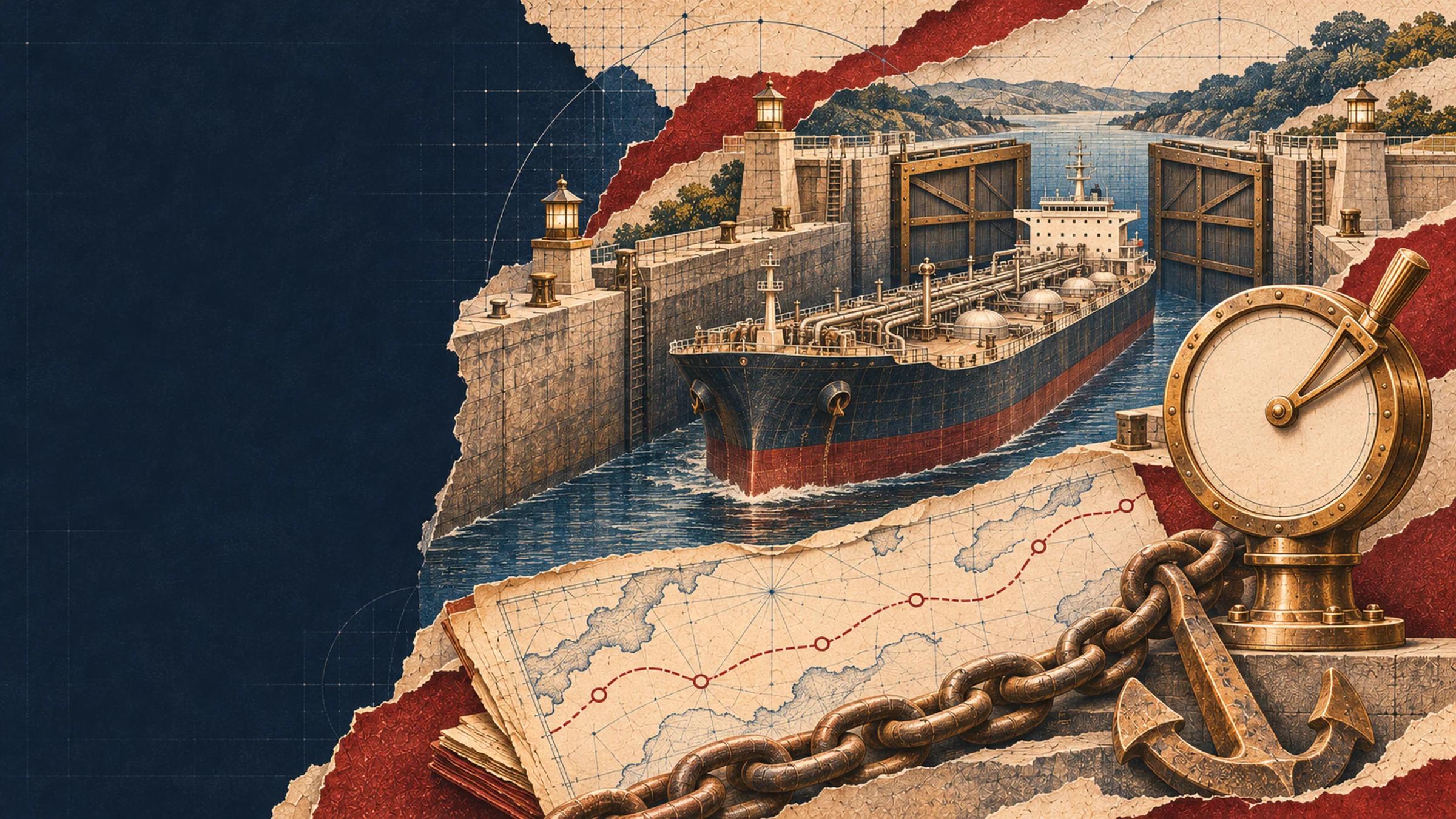
The notice was public. The ship still waited.
Weeks of warning, lost.
Canal advisories, Coast Guard bulletins and port notices are published weeks ahead. They reach the desk late, one email at a time.
Waiting is the most expensive line.
Ships spend up to 9 % of their time at anchor (IMO and GIA). A Jones Act MR tanker earned about $92,500 a day in 2026.
One change, a hundred tasks.
A port call needs up to 150 separate actions (FONASBA): bookings, notices, forms, quotes and replies.
From a public notice to an approved plan.
Find it.
Port notices, canal advisories, Coast Guard bulletins, weather and trade news are read every day and matched to your calls.
Understand it.
See the call at risk, the operations that move, the effect on crew and cargo, and the official source behind it. Each fact is marked as in force or forecast.
Plan the voyage.
Every option is a voyage plan: the route on the map against the alternatives, speed and arrival times, weather and warnings, emission-zone rules, risks to crew, ship and cargo, and the charts the route needs. Export the route to your ship's ECDIS.
See what each option does to your P&L.
Voyage result, earnings per day and every cost line, with its rate and its source. Compare each option with waiting in line.
Approve once.
The booking requests, arrival notices, customs forms and charterer notices are drafted. Provider quotes are gathered and countered against your ceiling, and the best rate is marked. One approval briefs every party.
Keep the record.
Each forecast is kept beside what happened, and each decision with who made it and when. The next decision, and any claim, start from evidence.
The Panama Canal, September 2026.
Low rainfall cut the Canal's daily slots from 36 to 34, then to 32, with a 48 ft draught limit. For an MR tanker from Houston to Los Angeles with no booked slot, that meant about a week at anchor: about $650,000 of hire and a missed loading window for the next voyage. Booking a slot and slowing down kept the next voyage's dates and burned about 31 t less fuel.
Based on the Panama Canal Authority's advisories and 2026 market rates; the voyage is a worked example.
What is different
Before the event.
The plan is ready while there is still time to choose.
The whole call.
Berth, pilots, bunkers, arrival paperwork, charter terms, customers and the next voyage move together.
Your terms.
Options are scored on hire, fuel, contract, dock time and the next fixture, not on a generic risk score.
Your data, your environment.
Connects to Microsoft Fabric, Amazon S3, Azure Blob Storage, Esri ArcGIS and exports from your voyage management system.
Who it is for
Operations, chartering and claims teams of product tanker, ATB, Aframax, dry bulk and container operators.
Questions
Bring us one of your past disruptions.
We replay it on your schedule and show you the plan you could have approved.
Also for cruise lines →